Security Features That Protect Your Storage
When you rent storage, you are not just choosing extra space. You are choosing a place to keep prized possessions, valuables, seasonal favorite items, vehicles, and more when they are not with you. That is why security features matter. From cameras and gated access to on-site management and tenant-controlled locks, the right self storage setup helps create a more organized, controlled, and confident rental experience.

Table of Contents
I. What Secure Self Storage Features Look Like
II. What to Ask Before Renting Storage
III. 8 Steps Tenants Should Take to Secure Their Storage
IV. Frequently Asked Questions About Storage Security
What Secure Self Storage Features Look Like
Security is one of the first things renters should consider when choosing self storage.
Strong security features do not come from one factor. They work in layers.
The Security Features Storage Renters Should Look For:
Before renting a storage unit, access how the facility handles the protection of your items. Look for these factors at your chosen storage facility.
Security Cameras for Property Visibility
Cameras help monitor key areas of the property, such as entrances, drive aisles, buildings, and parking areas. They also create a record of activity if a concern needs to be reviewed. When touring or comparing facilities, look for cameras that are easy to see and placed in active areas.
Lighting and Maintained Grounds
A well-maintained property with clear lighting throughout is easier to navigate and easier to use. Clear drive lanes, working bright lights, visible signage, and clean storage areas all support a better tenant experience. Security is not only about preventing problems. It is also about creating a space that feels safe and comfortable when you visit.
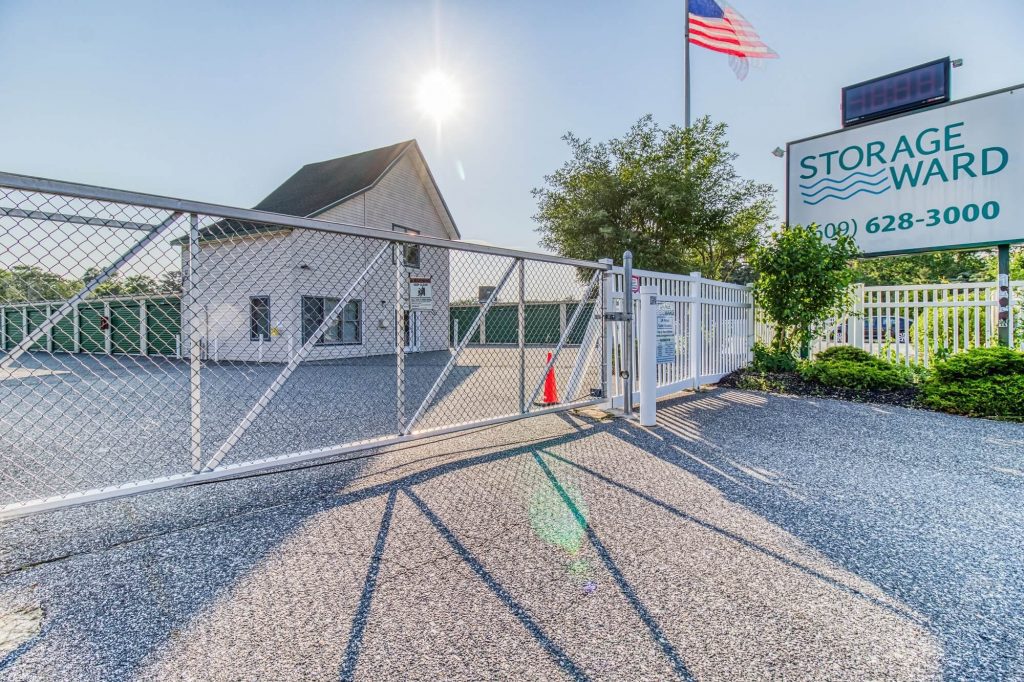
Fenced Perimeters and Keypad Access to Gate
A fenced perimeter creates a clear boundary around the storage property, keeping out the public and forcing visitors to check in with the office. Keypad access helps control who enters the facility and reduces unnecessary traffic around storage units and parking areas.
On-Site Management Where Available
Select storage facilities have on-site management, so tenants can find support immediately when they are visiting their rental. On-site management can add another layer of support for renters. A managed facility may offer help with rentals, questions, unit access, property checks, and general oversight during office hours.
What to Ask Before Renting Storage
When you are trying to choose a storage facility, ask a few direct questions:
- Does this location have security cameras?
- Is the property fenced?
- Does the facility use keypad access?
- Is there on-site management, or is the location self-service?
- What are the access hours?
- What lock type do you recommend?
- Are tenant protection plans or insurance required?
- What items are not allowed in storage?
- How do I contact support if I rent at a self-service location?
- Are vehicle storage areas covered by the same security features as the units?
8 Steps Tenants Should Take to Secure Their Storage
A facility’s security features help create the foundation. Tenant habits add greater protection. Here are simple steps renters can take to help protect their storage units.
1. Use a strong storage lock.
Your lock is the security feature you control most directly. Use a high-quality disc lock or another lock recommended by the facility. Avoid basic locks that are easier to cut, pick, or damage. Ask your storage team what lock style works best with your unit door if you are unsure.
2. Keep your access code private.
Treat your gate code like a password, and do not share it casually. If someone needs access to your unit, follow the facility’s rules for authorized users. This helps keep access clear and accountable.
3. Store valuable items out of sight.
Do not place high-value items directly at the front of the unit, so they are the first thing visible when you open the door. Keep important items packed, labeled discreetly, and placed farther back when possible. Avoid leaving anything outside the unit, even for a short time.
4. Create a simple inventory for your reference.
Make a list of what you store. For business items, tools, electronics, or valuable household goods, include photos, serial numbers, purchase dates, and box labels. This helps you stay organized and supports insurance or protection plan documentation if needed.
5. Pack with sturdy containers.
Use strong boxes or plastic bins that close securely and properly. Sturdy packing helps protect items from shifting, dust, and everyday movement during visits. Label boxes clearly so you do not have to dig through everything to find one item.
6. Visit your unit regularly.
Check your unit from time to time. Look at the lock, door, boxes, and stored items. Regular visits help you spot small issues early and keep the space organized.
7. Avoid storing prohibited or risky items.
Do not store food, flammable materials, hazardous chemicals, cash, firearms, illegal items, or anything prohibited by your rental agreement.
Food can attract pests. Hazardous materials can create safety problems. Irreplaceable items should stay somewhere more controlled, such as a home safe or bank deposit box.
8. Review insurance or tenant protection options.
Security features reduce risk, but they do not replace coverage. Check whether your renters, homeowners, or business policy covers items in self storage. If not, you will be asked to include one of our tenant protection options during the rental process.
FAQ About Security Features At Our Storage Facilities
What security features should I look for at a self storage facility?
Look for security cameras, fenced perimeters, keypad access, lighting, maintained grounds, strong unit doors, clear access rules, and on-site management or reliable support.
Which of our facilities have on-site management?
Most of our facilities have on-site management, including Selma Self Storage, B&G Storage, ABCD Econo Storage, and Storage Ward. B&G Storage has two locations in Atmore that operate as self-service storage, so tenants should review access, rental, and support details before renting.
Are self-service storage facilities secure?
Self-service storage can still include important security features such as cameras, fencing, and keypad access. The key is understanding how entry, support, payment, and issue reporting work before your move-in day.
How can I make my storage unit more secure?
Use a strong lock, and keep your access code private. Take the time to create an inventory, so you know what items you are keeping in storage, and pack items properly with attention to items’ fragility. Avoid storing prohibited items. We recommend visiting your unit regularly to address any concerns before they become larger issues.
Should I buy insurance for items in storage?
Review your current homeowners, renters, or business insurance policy. If your items are not covered in self storage, ask the facility about tenant protection options.
What should I avoid storing in a storage unit?
Avoid food, cash, jewelry, flammable materials, hazardous chemicals, illegal items, firearms, and anything prohibited by your rental agreement.
Choose Storage with Security in Mind
The right storage unit should give you peace of mind as much as it gives you extra space.
Selma Self Storage, B&G Storage, ABCD Econo Storage, and Storage Ward keeps security at the forefront of everything we do, so our tenants can store with confidence.
Security works best when the facility and tenant both do their part. Choose a location with the features you need, use a strong lock, and keep your access details private for the best protection. Find your storage unit online today.
